

How does Shunt 100a 75mv perform in corrosive environments?
Shunt resistors play a crucial role in electrical circuits, specifically in measuring direct current (DC). Our Shunt 100a 75mv is a popular choice among many industries due to its precision and reliability. However, one of the concerns that often pops up is how it performs in corrosive environments. In this blog, we'll explore the intricacies of the Shunt 100a 75mv's performance in such challenging conditions.
Understanding Corrosive Environments
Corrosive environments are those where chemical reactions can occur between the metal components of the shunt and substances in the surroundings. These substances can include moisture, acids, alkalis, salts, and various industrial pollutants. Common examples of corrosive environments are coastal areas with high salt - spray, chemical processing plants, wastewater treatment facilities, and battery manufacturing sites.
In these environments, corrosion can lead to a range of problems for electrical components. At the surface, it may cause discoloration and pitting. Beneath the surface, corrosion can penetrate the material, reducing its cross - sectional area. This is a significant problem for shunts because their resistance is directly related to their physical dimensions. A reduction in cross - sectional area will cause an increase in resistance, which can lead to inaccurate current measurements.
Material Composition and Its Role in Corrosion Resistance
The Shunt 100a 75mv we supply is carefully designed with a specific material composition to enhance its performance in corrosive environments. The core of the shunt is made from a high - grade alloy with excellent electrical properties and relatively good corrosion resistance. This alloy has been chosen for its ability to maintain a stable resistance value over a wide range of temperatures and operating conditions.
Moreover, the shunt is coated with a protective layer. This coating acts as a barrier between the alloy and the corrosive substances in the environment. The coating material is carefully selected to have high chemical stability and adhesion to the underlying alloy. For example, in some cases, we use a special epoxy - based coating that provides excellent resistance against moisture, acids, and alkalis.
Performance Testing in Corrosive Environments
To understand how the Shunt 100a 75mv performs in corrosive environments, we conduct rigorous testing. We simulate environments that closely mimic real - world corrosive conditions. For instance, we expose the shunts to salt - fog chambers, where they are sprayed with a fine mist of a salt solution for extended periods.
During these tests, we continuously monitor the electrical properties of the shunts. We measure the resistance at regular intervals to detect any changes that could be attributed to corrosion. In most cases, our Shunt 100a 75mv shows remarkable stability. The protective coating effectively prevents the corrosive agents from reaching the underlying alloy, and the base alloy itself resists any minor corrosion that may occur through the coating.
Even after hundreds of hours in a salt - fog environment, the change in resistance of our shunts is well within the acceptable tolerance limits for accurate current measurement. This shows that the combination of the high - grade alloy and the protective coating provides reliable performance in a corrosive environment.
Impact on Applications
The Shunt 100a 75mv is used in a variety of applications, and the performance in corrosive environments has a direct impact on these applications.
Battery Monitoring Systems
In battery monitoring systems, a Battery Shunt Meter with a Shunt 100a 75mv is used to measure the charging and discharging currents of the battery. In battery manufacturing sites, which can be corrosive due to the presence of acids and other chemicals, the accuracy of current measurement is vital. A corroded shunt could lead to inaccurate readings, which may cause over - charging or under - charging of the batteries, ultimately affecting their lifespan and performance. Our shunts, with their high corrosion resistance, ensure reliable current measurement, leading to efficient battery management.
DC Power Distribution Systems
In DC power distribution systems, DC Ammeter Shunt is used to measure the current flowing through different branches. These systems can be installed in industrial plants where corrosive pollutants are present. If the shunt corrodes, it can disrupt the accurate measurement of current, which may lead to improper load balancing and potential safety hazards. Our Shunt 100a 75mv maintains its integrity in such environments, ensuring the safe and efficient operation of the power distribution system.
Maintenance and Long - Term Performance
While our Shunt 100a 75mv is designed to perform well in corrosive environments, some maintenance practices can further enhance its long - term performance.
Regular visual inspections are recommended. By visually checking the shunt, you can detect any signs of physical damage to the coating, such as scratches or peeling. If any damage is found, the coating can be repaired or reapplied to restore its protective function.
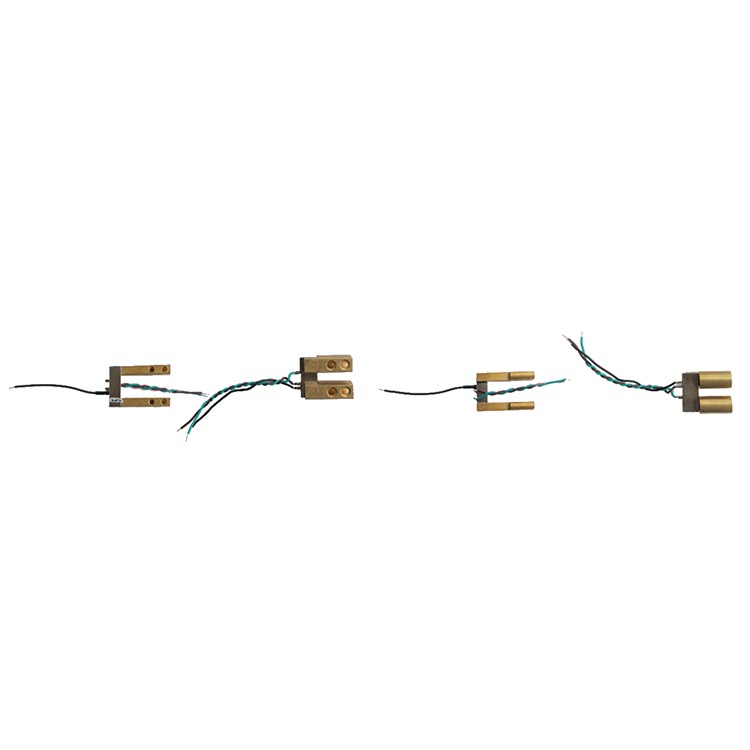

In addition, it's important to keep the shunt clean. In a corrosive environment, dirt and debris can accumulate on the shunt's surface, which may trap corrosive substances and accelerate corrosion. Cleaning the shunt with a non - abrasive, appropriate cleaning agent can help prevent this.
Why Choose Our Shunt 100a 75mv
As a supplier of the Shunt 100a 75mv, we are committed to providing a high - quality product. Our shunts undergo strict quality control measures during the manufacturing process. The material selection, coating application, and final testing are all carried out to ensure that the shunts meet or exceed industry standards.
We understand the importance of accurate current measurement, especially in corrosive environments where the reliability of electrical components is often compromised. Our shunts are designed to provide long - term, stable performance, which can save you time and money in the long run by reducing the need for frequent replacements and repairs.
Conclusion
In conclusion, our Shunt 100a 75mv performs exceptionally well in corrosive environments. Thanks to its high - grade alloy core and protective coating, it can withstand the challenges posed by various corrosive substances. Whether you are using it in battery monitoring systems or DC power distribution systems, our shunt ensures accurate current measurement and reliable operation.
If you are in need of a reliable Shunt 100a 75mv for your application in a corrosive environment, we invite you to contact us for further discussions and procurement. We look forward to working with you to meet your electrical measurement needs.
References
- "Corrosion of Metals in Electrical Components" - A Handbook on Industrial Corrosion, 2018 Edition
- "Principles of Electrical Current Measurement Using Shunt Resistors", IEEE Transactions on Electrical Instrumentation, Vol. 45, No. 3, 2020
- "Advanced Coatings for Corrosion Protection in Electrical Systems", Journal of Applied Electrochemistry, Vol. 56, No. 2, 2021
No Information