

What is the operating temperature range of an LCD meter?
What is the operating temperature range of an LCD meter?
As a leading supplier of LCD meters, understanding the operating temperature range of these devices is crucial. This knowledge not only helps in ensuring their proper functioning but also in providing the best products to our customers.
An LCD meter is an electronic device that uses a liquid - crystal display to show various types of measurement data. These data can include electrical energy consumption, voltage, current, and other physical quantities. LCD meters are widely used in industrial, commercial, and residential settings, and their performance can be significantly affected by the temperature of the environment in which they operate.
The Basics of LCD Technology
Before delving into the operating temperature range, it's important to understand the basic principles of LCD technology. Liquid crystals are substances that have properties between those of conventional liquids and solid crystals. In an LCD, an electric current is applied to the liquid crystals, which then change their orientation to either block or allow light to pass through, creating the visual display.
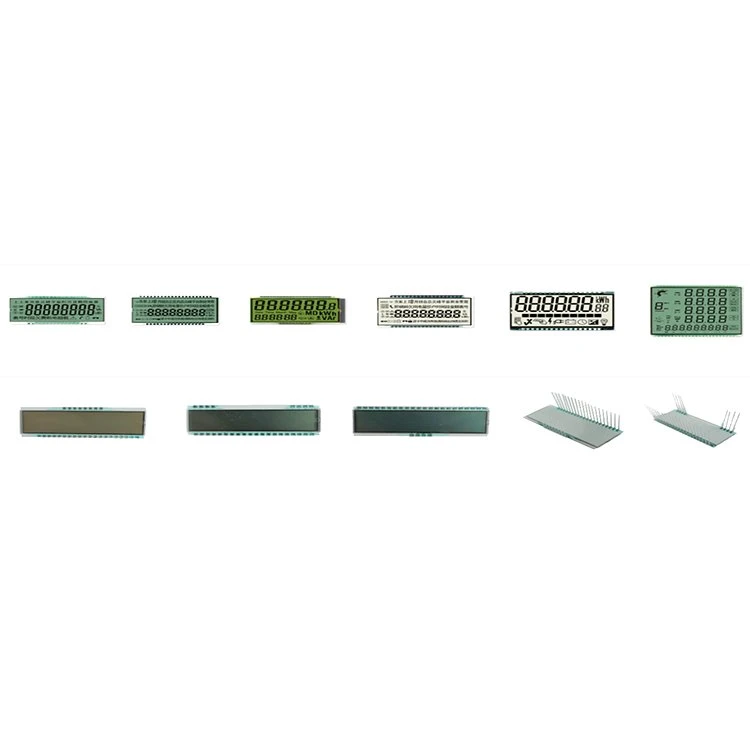

The performance of liquid crystals is highly temperature - dependent. At very low temperatures, the liquid crystals become more viscous, which means they respond more slowly to the applied electric current. This can result in a slow - updating or even frozen display. On the other hand, at very high temperatures, the liquid crystals can lose their ordered structure, causing the display to become distorted or unreadable.
Typical Operating Temperature Range of LCD Meters
The typical operating temperature range for most standard LCD meters is between - 20°C to 60°C. This range is designed to accommodate a wide variety of applications and environments.
In cold environments, such as outdoor installations in winter or in refrigerated warehouses, the lower temperature limit of - 20°C ensures that the LCD meter can still function. However, as the temperature approaches this limit, the response time of the display may increase. For example, the numbers on the display may take a few extra seconds to change when the measured value is updated.
In hot environments, such as industrial settings with high - temperature machinery or outdoor installations in tropical regions, the upper temperature limit of 60°C provides a safeguard. But if the temperature exceeds this limit, the liquid crystals may start to break down, leading to a loss of display quality or even complete failure of the display.
Specialized LCD Meters for Extreme Temperatures
For applications in extreme temperature environments, specialized LCD meters are available. Some high - performance LCD meters can operate in a much wider temperature range, such as from - 40°C to 85°C.
These specialized meters are often used in automotive, aerospace, and military applications. In the automotive industry, for example, LCD meters are used in dashboard displays. These displays need to function properly in both extremely cold winter temperatures and hot summer temperatures. In the aerospace industry, LCD meters are used in aircraft cockpits, where temperature conditions can be extremely harsh. And in the military, LCD meters are used in various equipment that may be deployed in deserts, arctic regions, or other extreme environments.
Factors Affecting the Operating Temperature Range
Several factors can affect the operating temperature range of an LCD meter.
1. LCD Type
There are different types of LCDs, such as twisted - nematic (TN), super - twisted - nematic (STN), and thin - film transistor (TFT). TN LCDs are the most basic and commonly used type. They have a relatively limited operating temperature range compared to STN and TFT LCDs. STN LCDs offer better performance in terms of contrast and viewing angle, as well as a slightly wider operating temperature range. TFT LCDs, which are commonly used in high - end displays, generally have the widest operating temperature range among the three types.
2. Backlighting
Many LCD meters use backlighting to enhance visibility. The type of backlight can also affect the operating temperature range. For example, traditional cold - cathode fluorescent lamps (CCFLs) used as backlights in some LCD meters can have a limited operating temperature range. In contrast, light - emitting diodes (LEDs), which are now more commonly used, have a wider operating temperature range and can better withstand extreme temperatures.
3. Packaging
The packaging of the LCD meter can play a role in protecting it from temperature extremes. A well - designed enclosure can provide insulation and prevent heat transfer. For example, some LCD meters are housed in rugged, sealed enclosures that can protect the internal components from both cold and hot environments.
Comparing Different Products in the Market
When comparing different LCD meters in the market, it's essential to pay attention to their operating temperature ranges. As a supplier, we offer a wide range of LCD Meter products to meet the diverse needs of our customers. For those who need a meter for general - purpose applications in typical temperature environments, our standard LCD meters with an operating temperature range of - 20°C to 60°C are a great choice. They are reliable, cost - effective, and suitable for most industrial, commercial, and residential settings.
For customers who require a meter for extreme temperature applications, we offer our specialized LCD Energy Meter models with a wider operating temperature range of - 40°C to 85°C. These meters are built with high - quality components and advanced technology to ensure optimal performance even in the harshest conditions.
Importance of Knowing the Operating Temperature Range
Understanding the operating temperature range of an LCD meter is crucial for several reasons. For customers, it helps in selecting the right product for their specific application. If a customer installs an LCD meter in an environment with temperatures outside its operating range, the display may malfunction, resulting in inaccurate readings or even complete failure of the meter. This can lead to costly downtime and potential safety hazards.
For installers and technicians, knowledge of the operating temperature range is essential for proper installation and maintenance. They need to ensure that the meter is installed in a location where the temperature remains within the specified range. Regular checks of the operating temperature can also help in detecting potential issues early and preventing damage to the meter.
Conclusion
In conclusion, the operating temperature range of an LCD meter is a critical factor that affects its performance and reliability. As a supplier of Energy Meter LCD Display and other related products, we are committed to providing our customers with high - quality LCD meters that can operate effectively in a wide range of temperature environments. Whether you need a standard meter for normal temperature conditions or a specialized meter for extreme temperatures, we have the right solution for you.
If you are in the market for an LCD meter and have questions about the operating temperature range or other product features, we encourage you to contact us. Our team of experts is ready to assist you in selecting the most suitable product for your needs. We look forward to the opportunity to work with you and provide you with the best LCD meter solutions.
References
- "Liquid Crystal Displays: Principles and Applications" by E. Kaneko
- "Handbook of Display Technology" edited by K. M. Bando and H. W. Sasaki