

Can a battery shunt meter be repaired if it malfunctions?
A battery shunt meter is a crucial component in many electrical systems, especially those involving battery management. It measures the current flowing in and out of a battery, providing essential data for monitoring battery health and usage. But what happens when this vital device malfunctions? Can it be repaired, or is it a case of replacing the entire unit? As a Battery Shunt Meter supplier, I've encountered numerous inquiries regarding the repairability of these meters, and I'm here to share some insights.
Understanding the Battery Shunt Meter
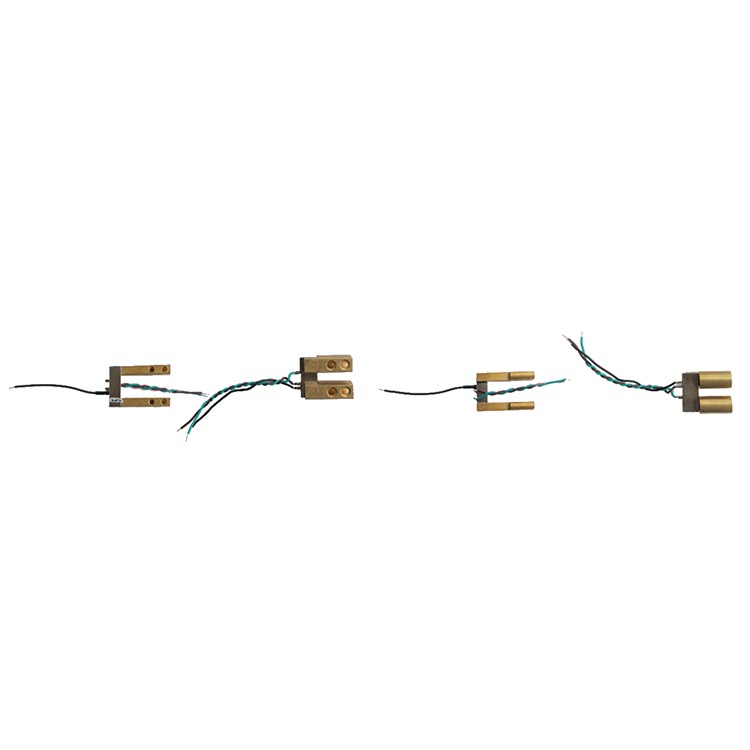
Before delving into the repairability of a battery shunt meter, it's essential to understand how it works. A battery shunt meter consists of a shunt resistor and a measuring device. The shunt resistor is a low - resistance component that allows a small fraction of the total current to pass through it. The voltage drop across this resistor is proportional to the current flowing through the circuit. The measuring device then reads this voltage drop and converts it into a current value, which is displayed on the meter.
There are different types of battery shunt meters, each designed for specific applications. For example, the Shunt 100a 75mv is suitable for applications where the current range is around 100 amperes with a 75 - millivolt output. The DC Ammeter Shunt is used specifically for measuring direct current, and the Battery Shunt Meter is designed for battery - related applications.
Common Malfunctions of Battery Shunt Meters
Battery shunt meters can malfunction for several reasons. One of the most common issues is a damaged shunt resistor. Over time, the shunt resistor can experience wear and tear due to high - current loads, overheating, or physical damage. If the shunt resistor is damaged, it may not provide an accurate voltage drop, leading to incorrect current readings.
Another common problem is a faulty measuring device. This can be caused by issues such as a broken display, a malfunctioning circuit board, or problems with the wiring. Electrical interference can also disrupt the proper functioning of the measuring device, resulting in inaccurate readings.
Assessing Repairability
The repairability of a battery shunt meter depends on several factors. The first step in assessing repairability is to diagnose the problem accurately. This may involve using test equipment such as multimeters to measure the voltage across the shunt resistor and the output of the measuring device.
If the problem is a damaged shunt resistor, in many cases, it can be replaced. Shunt resistors are relatively simple components, and if you have the right tools and knowledge, you can replace them yourself. However, it's important to ensure that the replacement resistor has the correct specifications, such as the right resistance value and current rating.
For issues with the measuring device, the repairability can be more complex. If the problem is a broken display, it may be possible to replace the display module. However, if the issue is with the circuit board, it may require more advanced repair skills. In some cases, it may be more cost - effective to replace the entire measuring device rather than attempting to repair it.
Repairing a Battery Shunt Meter
If you decide to repair a battery shunt meter, here are the general steps:

- Safety First: Before starting any repair work, ensure that the power is disconnected from the battery shunt meter to avoid electrical shock.
- Diagnosis: Use a multimeter to measure the voltage across the shunt resistor and the output of the measuring device. Compare the readings with the expected values to identify the problem.
- Component Replacement: If the shunt resistor is damaged, carefully remove it and replace it with a new one of the same specifications. For the measuring device, if it's a simple component like a display, you can try to replace it.
- Testing: After the repair, reconnect the power and test the battery shunt meter. Check if the readings are accurate and if the meter is functioning properly.
When to Replace Instead of Repair
There are situations where it may be more practical to replace the battery shunt meter rather than repair it. If the meter is old and has been experiencing multiple issues, or if the cost of repair is close to or higher than the cost of a new meter, replacement may be the better option.
Another factor to consider is the availability of replacement parts. If the parts for the specific model of the battery shunt meter are difficult to find, it may be more efficient to replace the entire unit.
Conclusion
In conclusion, a battery shunt meter can often be repaired if it malfunctions. The key is to accurately diagnose the problem and determine whether the components can be replaced. As a Battery Shunt Meter supplier, we understand the importance of keeping your electrical systems running smoothly. Whether you need to repair or replace a battery shunt meter, we can provide you with the necessary parts and support.
If you're facing issues with your battery shunt meter or are interested in purchasing a new one, we invite you to reach out to us for a consultation. Our team of experts can help you find the right solution for your specific needs.
References
- Electrical Engineering textbooks on circuit analysis and measurement devices.
- Manufacturer's manuals for battery shunt meters.