

What are the applications of pneumatic shunts?
Pneumatic shunts are essential components in various industrial and scientific applications. As a shunt supplier, I have witnessed firsthand the diverse and critical roles that pneumatic shunts play in different fields. In this blog, I will explore the applications of pneumatic shunts and provide insights into their significance.
1. Industrial Automation
In the realm of industrial automation, pneumatic shunts are widely used to control the flow of compressed air. They act as a bypass mechanism, allowing air to be redirected or regulated as needed. For example, in automated manufacturing lines, pneumatic shunts are used to control the movement of pneumatic cylinders. These cylinders are responsible for tasks such as pushing, pulling, and lifting objects. By using pneumatic shunts, the flow of air to the cylinders can be precisely controlled, ensuring accurate and efficient operation.
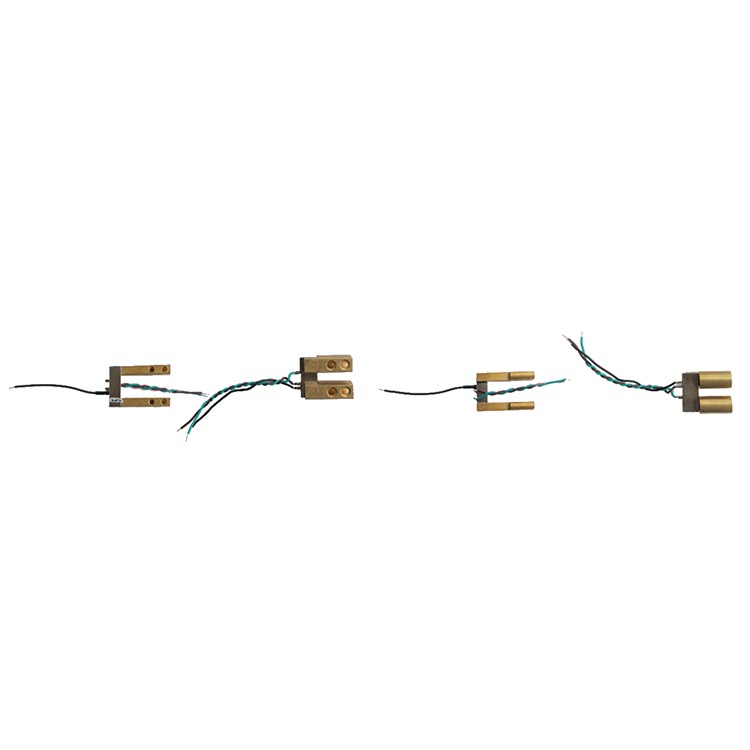

Pneumatic shunts are also used in conveyor systems. They help in controlling the speed and direction of the conveyor belts. By adjusting the air flow through the shunts, the conveyor can be made to move at different speeds or stop and start as required. This level of control is crucial for maintaining the efficiency of the production process and preventing bottlenecks.
2. Medical Equipment
Pneumatic shunts have significant applications in the medical field. One of the most common uses is in respiratory equipment. For instance, in ventilators, pneumatic shunts are used to regulate the flow of oxygen and air to the patient. They ensure that the patient receives the correct amount of gas at the appropriate pressure. This is vital for patients who have difficulty breathing on their own, such as those with respiratory diseases or those under anesthesia during surgery.
In addition, pneumatic shunts are used in some types of medical pumps. These pumps are used to deliver fluids, such as medications or nutrients, to the patient. The shunts help in controlling the flow rate of the fluids, ensuring that the patient receives the correct dosage.
3. Aerospace Industry
The aerospace industry also relies on pneumatic shunts for various applications. In aircraft, pneumatic shunts are used in the control systems for landing gear, flaps, and other movable components. They help in regulating the air pressure and flow to these components, ensuring smooth and reliable operation. For example, when the landing gear is extended or retracted, the pneumatic shunts control the air flow to the hydraulic cylinders that operate the gear.
Pneumatic shunts are also used in the environmental control systems of aircraft. They help in regulating the air pressure and temperature inside the cabin, providing a comfortable and safe environment for passengers and crew.
4. Automotive Industry
In the automotive industry, pneumatic shunts are used in several applications. One of the main uses is in the braking systems. Some vehicles use pneumatic brakes, which rely on compressed air to operate. Pneumatic shunts are used to control the flow of air to the brake cylinders, ensuring that the brakes are applied and released smoothly.
Pneumatic shunts are also used in the suspension systems of some vehicles. They help in adjusting the air pressure in the suspension, providing a more comfortable ride and better handling.
5. Energy Metering
In the field of energy metering, shunts play a crucial role. DC Ammeter Shunt is a type of shunt used to measure direct current (DC). It works by providing a low - resistance path for the current to flow through, and the voltage drop across the shunt is measured to determine the current. This is essential for accurate energy metering in DC circuits, such as those found in solar power systems and battery - powered devices.
Battery Shunt Meter is another important application. It is used to monitor the charging and discharging of batteries. By measuring the current flowing in and out of the battery, the shunt meter can provide information about the battery's state of charge, which is crucial for the proper management of battery - powered systems.
Shunt 100a 75mv is a specific type of shunt with a rated current of 100 amperes and a voltage drop of 75 millivolts. It is commonly used in applications where high - current measurement is required, such as in industrial power systems.
6. Advantages of Pneumatic Shunts
Pneumatic shunts offer several advantages over other types of control mechanisms. Firstly, they are relatively simple in design and construction, which makes them cost - effective. They are also easy to install and maintain, reducing the overall operating costs.
Secondly, pneumatic shunts can provide fast and precise control. The response time of pneumatic systems is generally very short, allowing for quick adjustments in the flow of air. This is particularly important in applications where rapid changes in pressure or flow are required.
Finally, pneumatic shunts are safe to use. Compressed air is a clean and non - flammable medium, which reduces the risk of fire and explosion compared to some other types of control systems.
7. Contact for Procurement
If you are in need of high - quality pneumatic shunts or any other types of shunts for your specific applications, we are here to help. Our team of experts can provide you with detailed information about our products, including their specifications, performance, and compatibility. We can also offer customized solutions to meet your unique requirements.
Whether you are in the industrial, medical, aerospace, automotive, or energy metering sector, we have the right shunt for you. Contact us today to start a discussion about your procurement needs and let us help you find the best shunt solutions for your business.
References
- "Industrial Pneumatic Systems: Design and Application" by John A. Parr
- "Medical Device Technology: Principles and Design" by Joseph D. Bronzino
- "Aerospace Systems Design and Analysis" by James R. Wertz and Wiley J. Larson
- "Automotive Engineering: Fundamentals, Vehicle Dynamics, and Modelling" by Gillespie, T. D.
- "Electrical Energy Metering: Principles and Applications" by John G. Webster