

What are the different types of DC ammeter shunts?
Hey there! As a supplier of DC ammeter shunts, I'm super excited to dive into the different types of these handy devices with you.
First off, let's understand what a DC ammeter shunt is. In simple terms, a DC ammeter shunt is a low - resistance resistor used to measure high currents. When a large current flows through the shunt, a small, proportional voltage drop is created across it. This voltage drop can then be measured and used to calculate the actual current flowing through the circuit.
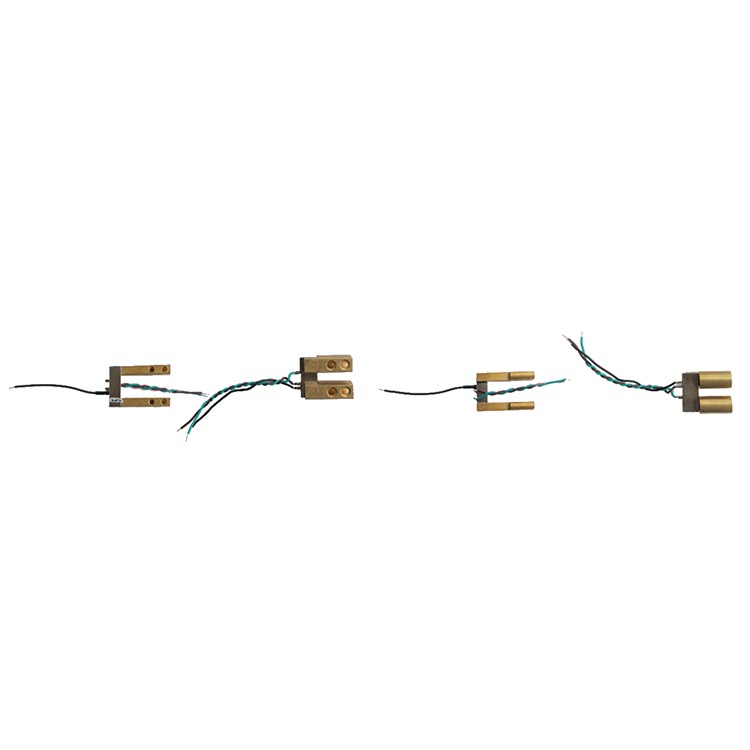

Precision Shunts
One of the most common types of DC ammeter shunts is the precision shunt. These shunts are designed to offer high accuracy in current measurement. They're made with extremely low - tolerance resistive materials, like manganin or constantan. These materials have a very low temperature coefficient of resistance, which means their resistance changes very little with temperature variations.
Precision shunts are often used in laboratory settings, where accurate current measurements are crucial. For example, in a research lab studying the electrical properties of new materials, you need to know the exact current flowing through the sample. If you're in the market for a high - quality precision shunt, you can check out our DC Ammeter Shunt page to see the options we offer.
High - Current Shunts
Another important type is the high - current shunt. As the name suggests, these shunts are built to handle very large currents. Industries such as power generation, welding, and battery charging systems rely heavily on high - current shunts.
In a power generation plant, huge amounts of current are generated and distributed. High - current shunts are used to monitor this current accurately. They're usually designed with thick conductors and large surface areas to dissipate the heat generated by the high current. Our Shunt 100a 75mv is an example of a shunt that can handle relatively high currents while providing reliable measurement.
Low - Current Shunts
On the other end of the spectrum, we have low - current shunts. These are used when you need to measure very small currents, like in electronic devices such as smartphones, laptops, and other battery - powered gadgets.
In a smartphone, for instance, the battery management system needs to know the exact amount of current being drawn by different components. Low - current shunts are used to make these precise measurements. They're designed with very high - resistance values so that even a small current can create a measurable voltage drop.
Battery Shunts
Battery shunts are a specialized type of DC ammeter shunt. They're mainly used in battery monitoring systems. A Battery Shunt Meter can accurately measure the current going in and out of a battery. This information is crucial for determining the state of charge of the battery, estimating its remaining capacity, and preventing over - charging or over - discharging.
In a solar power system with a battery bank, the battery shunt helps in managing the charging and discharging process. It ensures that the battery is charged efficiently and lasts longer.
PCB - Mount Shunts
Printed Circuit Board (PCB) - mount shunts are designed to be directly mounted on a printed circuit board. They're compact and easy to integrate into electronic circuits. These shunts are commonly used in small - scale electronic devices, where space is limited.
For example, in a portable medical device, every millimeter of space counts. PCB - mount shunts allow for the accurate measurement of current without taking up too much room on the board.
Open - Frame Shunts
Open - frame shunts have an open design, which makes them easy to access and install. They're often used in industrial applications where quick installation and maintenance are required.
In a manufacturing plant, open - frame shunts can be easily installed in electrical panels to monitor the current in different circuits. Their open design also allows for better heat dissipation, which is important when dealing with high - power applications.
Factors to Consider When Choosing a DC Ammeter Shunt
Now that we've covered the different types of DC ammeter shunts, let's talk about what you should consider when choosing one.
The first thing is the current range. You need to know the maximum current that the shunt will have to handle. If the current is too high for the shunt, it can overheat and get damaged. On the other hand, if the current range is too large for the application, you might not get accurate measurements.
The accuracy of the shunt is also crucial. For applications where precision is key, like in scientific research, you'll need a high - accuracy shunt. However, for less critical applications, a lower - accuracy shunt might be sufficient.
Temperature stability is another factor. If the shunt will be used in an environment with significant temperature variations, you'll need a shunt with a low temperature coefficient of resistance.
Why Choose Our DC Ammeter Shunts?
As a supplier, we take pride in offering a wide range of high - quality DC ammeter shunts. Our shunts are made with top - notch materials, ensuring durability and accuracy. We have different types of shunts to meet the needs of various applications, whether it's a small - scale electronic device or a large industrial power system.
We also provide excellent customer service. Our team of experts is always ready to help you choose the right shunt for your specific requirements. We can offer technical support, answer your questions, and even assist with installation and maintenance.
If you're interested in purchasing DC ammeter shunts for your business or project, don't hesitate to reach out. We're here to make the procurement process as smooth as possible. Whether you need a single shunt or a large quantity, we can accommodate your needs. Contact us to start a discussion and let's find the perfect DC ammeter shunts for you!
References
- Principles of Electric Circuits: Conventional Current Version by Thomas L. Floyd
- Electrical Measurement Techniques by George W. O'Neill
No Information