

What is the impact of load variations on a DC ammeter shunt?
Hey there! As a supplier of DC ammeter shunts, I've seen firsthand how load variations can have a significant impact on these little devices. In this blog, I'm gonna break down what load variations are, how they affect DC ammeter shunts, and why it matters to you.

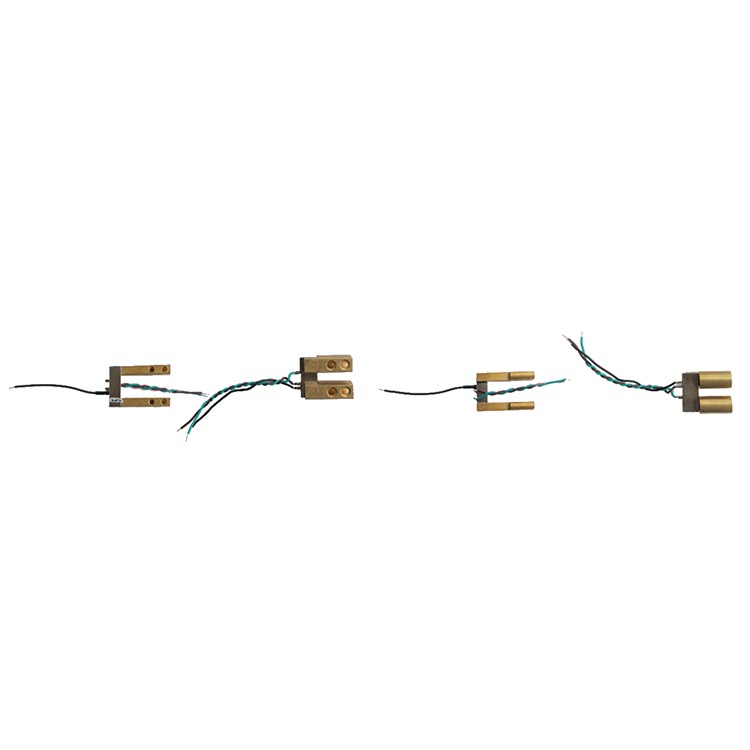
Let's start with the basics. A DC ammeter shunt is a low - resistance device that's used to measure the current in a DC circuit. It works by diverting a small fraction of the total current in the circuit, allowing the ammeter to measure this smaller current and then calculate the total current based on the known resistance of the shunt.
Load variations refer to changes in the electrical load within a circuit. These changes can occur due to a variety of reasons, like turning on or off electrical appliances, changes in the power requirements of a device, or fluctuations in the power supply. For example, if you have a circuit powering multiple lights, turning some of the lights on or off will cause a load variation.
So, what happens to a DC ammeter shunt when there are load variations? Well, the most obvious effect is on the current flowing through the shunt. When the load in the circuit increases, the total current in the circuit goes up. Since the shunt is in parallel with the load, more current will flow through the shunt as well. Conversely, when the load decreases, the current through the shunt will also decrease.
One of the key impacts of load variations on a DC ammeter shunt is on its accuracy. DC ammeter shunts are designed to work within a certain range of currents. If the load variation causes the current to go outside of this range, the accuracy of the shunt can be affected. For instance, if the current exceeds the shunt's rated capacity, it can lead to overheating, which can damage the shunt and cause inaccurate readings.
Another aspect to consider is the power dissipation of the shunt. Power dissipation is the amount of power that the shunt converts into heat. When the load varies and the current through the shunt changes, the power dissipation also changes. Higher currents mean more power is dissipated as heat. If the shunt isn't designed to handle the increased power dissipation, it can lead to thermal issues. This not only affects the accuracy of the shunt but can also shorten its lifespan.
Let's talk about how load variations can affect different types of DC ammeter shunts. There are various types of shunts available in the market, each with its own characteristics. For example, a Shunt 100a 75mv is designed to handle a specific current and voltage. If the load variations cause the current to exceed 100A, the shunt may not function properly.
Some shunts are more sensitive to load variations than others. For example, precision shunts are designed to provide very accurate measurements. However, they are also more likely to be affected by small load variations. On the other hand, general - purpose shunts can tolerate a wider range of load variations but may not offer the same level of accuracy.
As a supplier, I often get questions from customers about how to choose the right DC ammeter shunt for their applications, especially considering load variations. When selecting a shunt, you need to consider the maximum and minimum current that your circuit is likely to carry. You also need to think about the accuracy requirements of your measurement. If you have a circuit with large and frequent load variations, you may need a shunt that can handle a wide range of currents.
A Battery Shunt Meter is a great example of a device that uses a DC ammeter shunt. In a battery system, the load can vary depending on how the battery is being used. For example, when a battery is being charged, the current is different from when it's being discharged. A battery shunt meter needs to be able to accurately measure these changing currents.
Now, let's look at some real - world scenarios where load variations can cause problems. In an industrial setting, there are often large electrical loads that can vary significantly. For example, in a manufacturing plant, machines may be turned on and off at different times, causing sudden changes in the electrical load. If the DC ammeter shunt in the circuit isn't properly sized or designed to handle these variations, it can lead to inaccurate current measurements. This can, in turn, affect the operation of the machinery and potentially cause damage.
In a solar power system, load variations are also common. The power output of a solar panel can vary depending on the amount of sunlight, and the load on the system can change as different appliances are used. A DC ammeter shunt in a solar power system needs to be able to accurately measure the current under these changing conditions.
As a DC ammeter shunt supplier, I'm here to help you choose the right shunt for your specific needs. Whether you're dealing with small load variations in a home electrical system or large, rapid load changes in an industrial setting, we have a wide range of DC Ammeter Shunts to meet your requirements.
If you're in the market for a DC ammeter shunt and want to learn more about how load variations can affect your application, don't hesitate to reach out. We can provide you with detailed information about our products and help you select the shunt that's best suited for your needs. We understand that every application is unique, and we're committed to providing you with the best possible solution.
In conclusion, load variations can have a significant impact on DC ammeter shunts. They can affect the accuracy of the shunt, its power dissipation, and its overall performance. By understanding these impacts and choosing the right shunt for your application, you can ensure that your electrical system operates smoothly and efficiently. So, if you have any questions or need help with your DC ammeter shunt selection, get in touch with us. We're here to assist you in making the right choice for your electrical needs.
References
- Electrical Engineering Handbook, Third Edition, CRC Press
- Principles of Electric Circuits: Conventional Current Version, Thomas L. Floyd