

How reliable is the remote monitoring function of a battery shunt meter?
In today's era of advanced energy management, battery shunt meters play a crucial role in accurately measuring and monitoring the performance of batteries. One of the key features of modern battery shunt meters is the remote monitoring function, which allows users to access real - time data and insights from anywhere in the world. As a supplier of Battery Shunt Meters, I have witnessed firsthand the growing demand for this technology and the questions that customers often have regarding its reliability. In this blog, I will delve into the factors that affect the reliability of the remote monitoring function of a battery shunt meter.
Understanding Battery Shunt Meters
Before we discuss the remote monitoring function, it is essential to understand what a battery shunt meter is. A battery shunt meter is a device used to measure the current flowing in and out of a battery. It works by creating a low - resistance path (the shunt) through which a known fraction of the current passes. By measuring the voltage drop across the shunt, the meter can calculate the current. This is a fundamental aspect of battery monitoring as it helps in determining the state of charge, state of health, and overall performance of the battery.
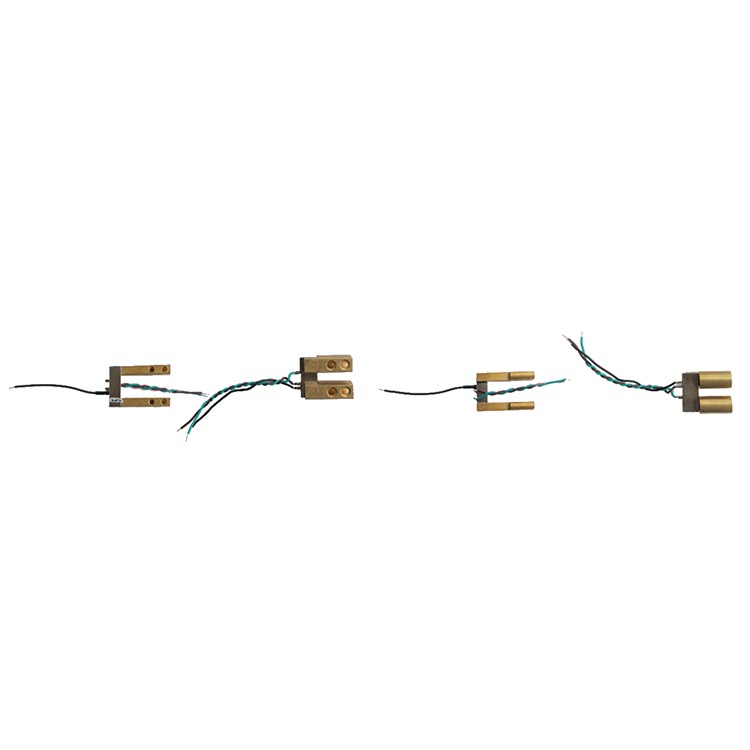
For those interested in the components of battery shunt meters, we offer a variety of products such as the DC Ammeter Shunt and the Shunt 100a 75mv. These shunts are carefully designed to ensure accurate current measurement and are integral parts of our Battery Shunt Meter.
The Importance of Remote Monitoring
Remote monitoring has become an indispensable feature in many industries, especially those relying on battery - powered systems. For example, in the renewable energy sector, solar power systems use batteries to store excess energy. By remotely monitoring the battery shunt meter, operators can keep track of how much energy is being stored, how quickly the battery is charging or discharging, and if any issues are arising. This real - time data enables proactive maintenance, reduces downtime, and maximizes the lifespan of the batteries.
In the transportation industry, electric vehicles and hybrid vehicles also benefit from remote monitoring of their battery systems. Fleet managers can monitor the battery health of multiple vehicles simultaneously, plan charging schedules, and detect potential problems before they lead to breakdowns.
Factors Affecting the Reliability of Remote Monitoring
Connectivity
One of the most crucial factors in the reliability of remote monitoring is connectivity. Battery shunt meters typically use various communication protocols such as Wi - Fi, Bluetooth, cellular networks, or Ethernet to transmit data. The quality of the connection can significantly impact the reliability of the remote monitoring function.
For instance, in a Wi - Fi - enabled system, interference from other wireless devices, distance from the access point, and the strength of the Wi - Fi signal can all cause data transmission issues. If the signal is weak, the meter may not be able to send data in a timely manner, or there may be data loss. Similarly, in a cellular - based system, poor network coverage in a particular area can disrupt data transfer.
To address these connectivity challenges, our battery shunt meters are designed to support multiple communication options. This allows users to choose the most reliable method based on their specific environment and requirements. Additionally, we incorporate advanced signal - processing algorithms to enhance the stability of data transmission even in less - than - ideal conditions.
Data Accuracy
The accuracy of the data being transmitted is another critical factor. The reliability of remote monitoring depends on the battery shunt meter's ability to accurately measure the current and other relevant parameters. Any inaccuracies in the measurement can lead to incorrect data being sent to the monitoring system, which can then result in wrong decisions being made regarding battery management.
Our battery shunt meters are built with high - precision shunts and advanced measurement circuits to ensure accurate data collection. Rigorous calibration processes are carried out during the manufacturing stage to minimize measurement errors. Moreover, we continuously update our firmware to improve the accuracy and performance of the meters over time.
Security
In an era where data security is of utmost importance, the reliability of remote monitoring also hinges on the security of the data being transmitted. Battery shunt meters collect sensitive information about the battery system, such as its state of charge and health. If this data is intercepted or compromised, it can lead to serious consequences, including unauthorized access to the battery system and potential damage to the equipment.
To safeguard our customers' data, our battery shunt meters are equipped with robust security features. These include encryption of data during transmission, user authentication mechanisms, and firewall protection. We follow strict security standards and best practices to ensure that the data remains confidential and secure at all times.
System Stability
The overall stability of the monitoring system is also vital. This includes the stability of the battery shunt meter itself, as well as the server or software used for remote monitoring. A malfunctioning meter or a server outage can disrupt the remote monitoring process and lead to a loss of data.
We conduct extensive testing on our battery shunt meters to ensure their long - term stability. Our meters are designed to withstand harsh environmental conditions, such as extreme temperatures and humidity. Additionally, we offer reliable server infrastructure and software support for remote monitoring, with regular updates and maintenance to ensure system stability.
Real - world Examples of Remote Monitoring Reliability
To illustrate the reliability of the remote monitoring function of our battery shunt meters, let's consider a few real - world examples.

In a large - scale solar power plant, our battery shunt meters with remote monitoring capabilities have been installed to monitor the energy storage batteries. The operators can access real - time data on the state of charge, charging and discharging rates, and battery temperature from their control center. Over a period of several months, the system has consistently provided accurate and reliable data, enabling the operators to optimize the battery usage and prevent potential failures.
In a fleet of electric buses, the remote monitoring function of our battery shunt meters has allowed the fleet managers to keep track of the battery health of each vehicle. By analyzing the data, they have been able to schedule timely charging and maintenance, reducing the number of breakdowns and improving the overall efficiency of the fleet.
Conclusion
The remote monitoring function of a battery shunt meter is a powerful tool that offers numerous benefits in terms of battery management and system optimization. However, its reliability depends on several factors, including connectivity, data accuracy, security, and system stability.
As a supplier of Battery Shunt Meters, we are committed to providing high - quality products that offer reliable remote monitoring capabilities. Our meters are designed to overcome the challenges associated with remote monitoring and deliver accurate and secure data to our customers.
If you are interested in learning more about our battery shunt meters or have any questions regarding the remote monitoring function, we encourage you to contact us for further discussions and potential procurement. We are always ready to assist you in finding the best solution for your battery monitoring needs.
References
- "Battery Management Systems: Design by Modelling, Simulation and Experimental Tests"
- "Principles of Electric Power Systems"