

What is the insulation resistance of Shunt 100a 75mv?
Hey there! As a supplier of Shunt 100a 75mv, I often get asked about the insulation resistance of this product. So, I thought I'd write a blog post to share some insights on this topic.
First off, let's understand what shunts are and what the "100a 75mv" specification means. A shunt is a low - resistance device used to measure electric current. The "100a" indicates that the shunt is designed to handle a maximum current of 100 amperes. The "75mv" means that when a current of 100 amperes flows through the shunt, there will be a voltage drop of 75 millivolts across it. This voltage drop can then be measured and used to calculate the current flowing through the circuit.
Now, let's talk about insulation resistance. Insulation resistance is a measure of how well the insulation material around an electrical component resists the flow of electric current. In the case of a Shunt 100a 75mv, good insulation resistance is crucial for several reasons.
One of the main reasons is safety. If the insulation resistance is too low, there is a risk of electrical leakage. This can lead to short - circuits, electrical shocks, and even fires. In industrial and electrical systems, safety is always a top priority, and a shunt with proper insulation resistance helps to ensure that the system operates safely.
Another reason is accuracy. The shunt is used to measure current accurately. If there is electrical leakage due to poor insulation resistance, the measured voltage drop across the shunt may be affected, leading to inaccurate current measurements. This can cause problems in applications where precise current measurement is required, such as in battery management systems or power monitoring.
So, what is the typical insulation resistance of a Shunt 100a 75mv? Well, it can vary depending on several factors. The quality of the insulation material used is a major factor. High - quality insulation materials, such as certain types of plastics or ceramics, can provide better insulation resistance compared to lower - quality materials.
The manufacturing process also plays a role. A well - manufactured shunt with proper insulation coating and assembly techniques is likely to have higher insulation resistance. Additionally, environmental conditions can affect insulation resistance. For example, high humidity or temperature can cause the insulation material to degrade over time, reducing the insulation resistance.
In general, for a good - quality Shunt 100a 75mv, the insulation resistance should be in the range of several megaohms or even higher. This high resistance ensures that very little current leaks through the insulation, allowing the shunt to perform its current - measuring function accurately and safely.
If you're in the market for a Shunt 100a 75mv, it's important to consider the insulation resistance. You want to make sure that the shunt you choose has a high enough insulation resistance to meet your specific application requirements.
At our company, we take pride in offering high - quality Shunt 100a 75mv products. Our shunts are manufactured using top - notch insulation materials and advanced manufacturing processes. We conduct rigorous quality control tests to ensure that each shunt has excellent insulation resistance and meets all the necessary safety and performance standards.
We also offer a range of related products. For example, if you're looking for a DC ammeter shunt, you can check out our DC Ammeter Shunt page. Our Shunt 100a 75mv is designed to provide accurate current measurement in a variety of applications. And if you need a battery shunt meter, we have that too. You can visit our Battery Shunt Meter page to learn more.

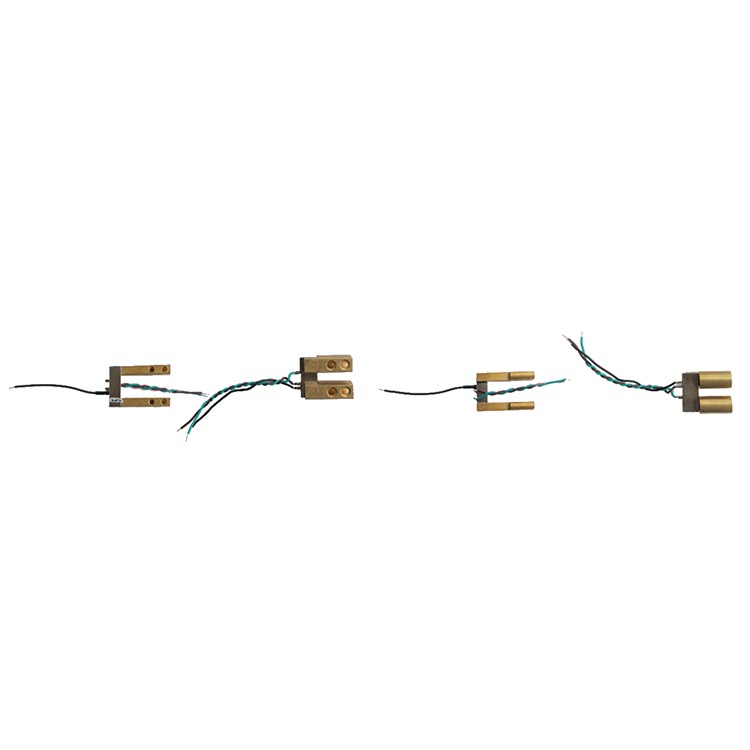
If you're interested in purchasing our Shunt 100a 75mv or any of our other products, we'd love to have a chat with you. Whether you have questions about insulation resistance, product specifications, or pricing, our team is here to help. Don't hesitate to reach out to us for a detailed discussion about your needs and how our products can meet them.
In conclusion, understanding the insulation resistance of a Shunt 100a 75mv is important for both safety and accuracy. By choosing a high - quality shunt with good insulation resistance, you can ensure the reliable operation of your electrical system. So, if you're in the market for a shunt, give us a chance to show you what we can offer.
References:
- Electrical Engineering Handbook, various editions
- Industry standards for shunt manufacturing and testing