

How to ensure the reliability of an LCD meter display?
Hey there! As a supplier of LCD Meter Displays, I know firsthand how crucial it is to ensure the reliability of these devices. Whether it's for an energy meter, a simple meter, or other applications, a reliable LCD display is key to providing accurate information and a great user experience. In this blog, I'll share some tips on how to make sure your LCD meter display is as reliable as possible.
Understanding the Basics of LCD Meter Displays
Before we dive into the reliability factors, let's quickly go over what an LCD meter display is. An LCD (Liquid Crystal Display) meter display uses liquid crystals to create visible images. These displays are commonly used in various types of meters, like Energy Meter LCD Display, Meter LCD, LCD Meter Display, LCD Energy Meter, and LCD Meter. They're popular because they're energy - efficient, have a long lifespan, and can show clear and sharp images.
1. Quality of Components
The first step in ensuring reliability is to use high - quality components. When we're manufacturing LCD meter displays, we pay close attention to every single part. The liquid crystals themselves are a big deal. Low - quality liquid crystals can lead to issues like uneven color display, slow response times, or even complete failure.

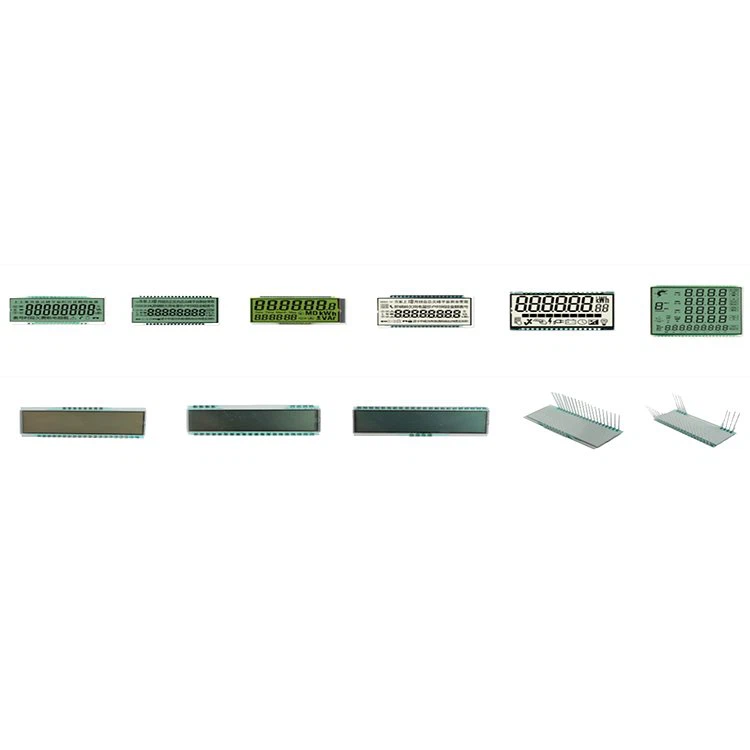
We also focus on the backlight. A good backlight is essential for a clear display, especially in low - light conditions. We source backlights from trusted manufacturers that have a proven track record of reliability. The printed circuit board (PCB) is another critical component. A well - designed and manufactured PCB ensures proper electrical connections and reduces the risk of short - circuits or other electrical problems.
2. Manufacturing Process
The manufacturing process plays a huge role in the reliability of an LCD meter display. In our factory, we follow strict quality control measures at every stage. First, we have a cleanroom environment for assembling the LCD panels. This helps prevent dust and other contaminants from getting inside the display, which could cause defects.
During the assembly, we use automated machinery as much as possible. Automated processes are more accurate and consistent than manual ones. For example, when attaching the liquid crystal layer to the glass substrate, an automated machine can do it with a high level of precision, reducing the chances of misalignment.
After assembly, we conduct thorough testing. We test the display for brightness, contrast, color accuracy, and response time. Any display that doesn't meet our quality standards is rejected. This way, we can be sure that only the best - quality displays leave our factory.
3. Environmental Considerations
LCD meter displays are used in a wide range of environments, and the environment can have a big impact on their reliability. Temperature is one of the most important factors. Extreme temperatures can cause the liquid crystals to behave differently, leading to display issues.
For example, in cold temperatures, the response time of the liquid crystals can slow down, making the display look sluggish. In hot temperatures, the liquid crystals may become too fluid, affecting the image quality. To combat these issues, we design our displays to work within a wide temperature range. We use special materials and coatings that can withstand temperature variations.
Humidity is another factor. High humidity can cause moisture to seep into the display, which can damage the electrical components. We use moisture - resistant materials and seal the displays properly to prevent this from happening.
4. Power Supply
A stable power supply is essential for the reliable operation of an LCD meter display. Fluctuations in the power supply can cause the display to flicker, go blank, or show incorrect information.
We design our displays to be compatible with a wide range of power sources. We also include built - in power regulators to ensure a stable voltage is supplied to the display. This helps protect the display from power surges and other electrical disturbances.
5. Maintenance and Support
Even the most reliable LCD meter displays need some maintenance over time. We provide comprehensive maintenance guides to our customers. These guides include instructions on how to clean the display, how to check for any signs of damage, and what to do if there are any issues.
We also offer technical support. If a customer has a problem with their display, they can reach out to our support team. Our team of experts can diagnose the issue and provide solutions, whether it's a simple software update or a more complex hardware replacement.
6. Software and Firmware
In modern LCD meter displays, software and firmware play a crucial role. The software is responsible for controlling the display, processing the input data, and ensuring that the information is presented correctly.
We regularly update the software and firmware of our displays to improve performance and fix any bugs. These updates can also add new features to the display, making it more useful for our customers.
To make sure the software and firmware are reliable, we conduct extensive testing before releasing any updates. We test the updates on different hardware configurations and in various environments to ensure compatibility and stability.
Contact Us for Your LCD Meter Display Needs
If you're in the market for a reliable LCD meter display, look no further. We've put in a lot of effort into ensuring the quality and reliability of our products. Whether you need an Energy Meter LCD Display, Meter LCD, LCD Meter Display, LCD Energy Meter, or LCD Meter, we've got you covered.
Contact us today to discuss your specific requirements and start the procurement process. We're here to provide you with the best possible products and services.
References
- "Liquid Crystal Displays: Principles and Applications" by S. T. Wu and D. K. Yang
- "Handbook of Display Technology" edited by Kai - Hsiang Lin and Shin - Tson Wu
No Information